Día de Muertos is far more than a holiday in Mexico — it is a profound expression of how an entire culture relates to death, memory, and love. Rooted in pre-Hispanic traditions that stretch back thousands of years and blended with Catholic influences brought by Spanish colonizers, the celebration honors deceased loved ones with the belief that the boundary between the living and the dead dissolves during the last days of October and the first days of November. Families build elaborate altars called ofrendas adorned with marigolds (cempasúchil), photographs, candles, and the favorite foods and drinks of the departed, creating a bridge of scent and memory to guide spirits home. It is joyful, not morbid — a celebration of lives lived and bonds that death cannot break.
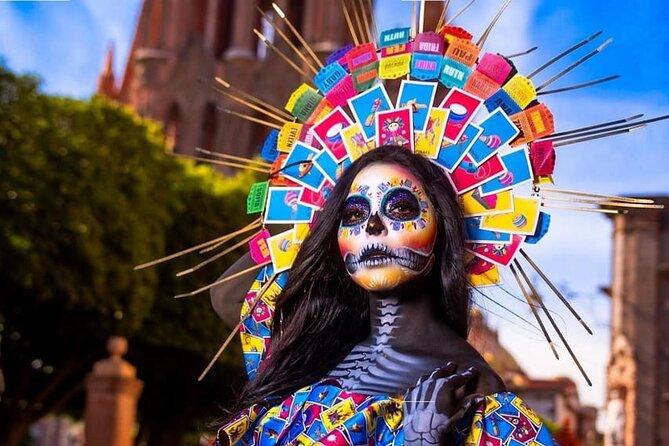
San Miguel de Allende celebrates Día de Muertos with a particular intensity and artistry that reflects its identity as one of Mexico's cultural capitals. The festivities typically begin in the last week of October, when altars start appearing in hotels, restaurants, galleries, and public plazas throughout the city. The Jardín Principal becomes a gallery of community ofrendas, each one a stunning installation of flowers, sugar skulls, papel picado (perforated paper), and personal mementos. La Esquina Museo del Juguete Popular Mexicano hosts special exhibitions exploring the folk art traditions behind the celebration. As October 31 approaches, the famous Catrina parades begin — elaborately costumed participants in skeleton face paint process through the streets in a dazzling display of creativity and cultural pride.
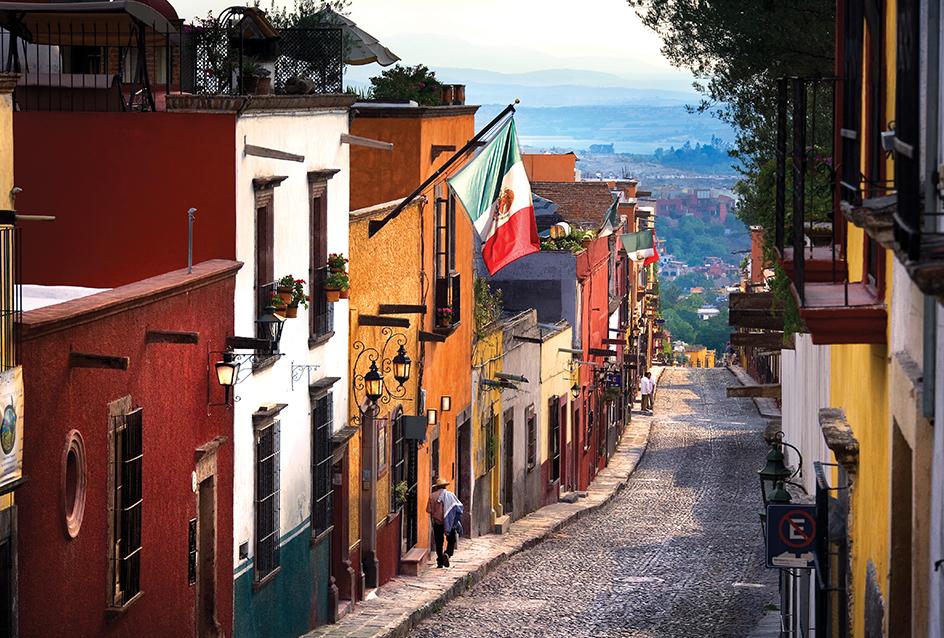
The heart of the Día de Muertos experience in San Miguel takes place on the nights of November 1 and 2. On November 1, Día de los Inocentes honors children who have passed away, while November 2, Día de los Difuntos, is dedicated to adults. Families visit cemeteries to clean and decorate graves, sharing food, music, and stories beside their loved ones. In San Miguel, the Panteón (cemetery) becomes a sea of marigolds and candlelight that is both deeply moving and surprisingly welcoming — visitors are generally embraced by families who understand the universal nature of loss and remembrance. The processions that wind through the cobblestone streets on these nights, accompanied by music and incense, create an atmosphere unlike anything else in the world.
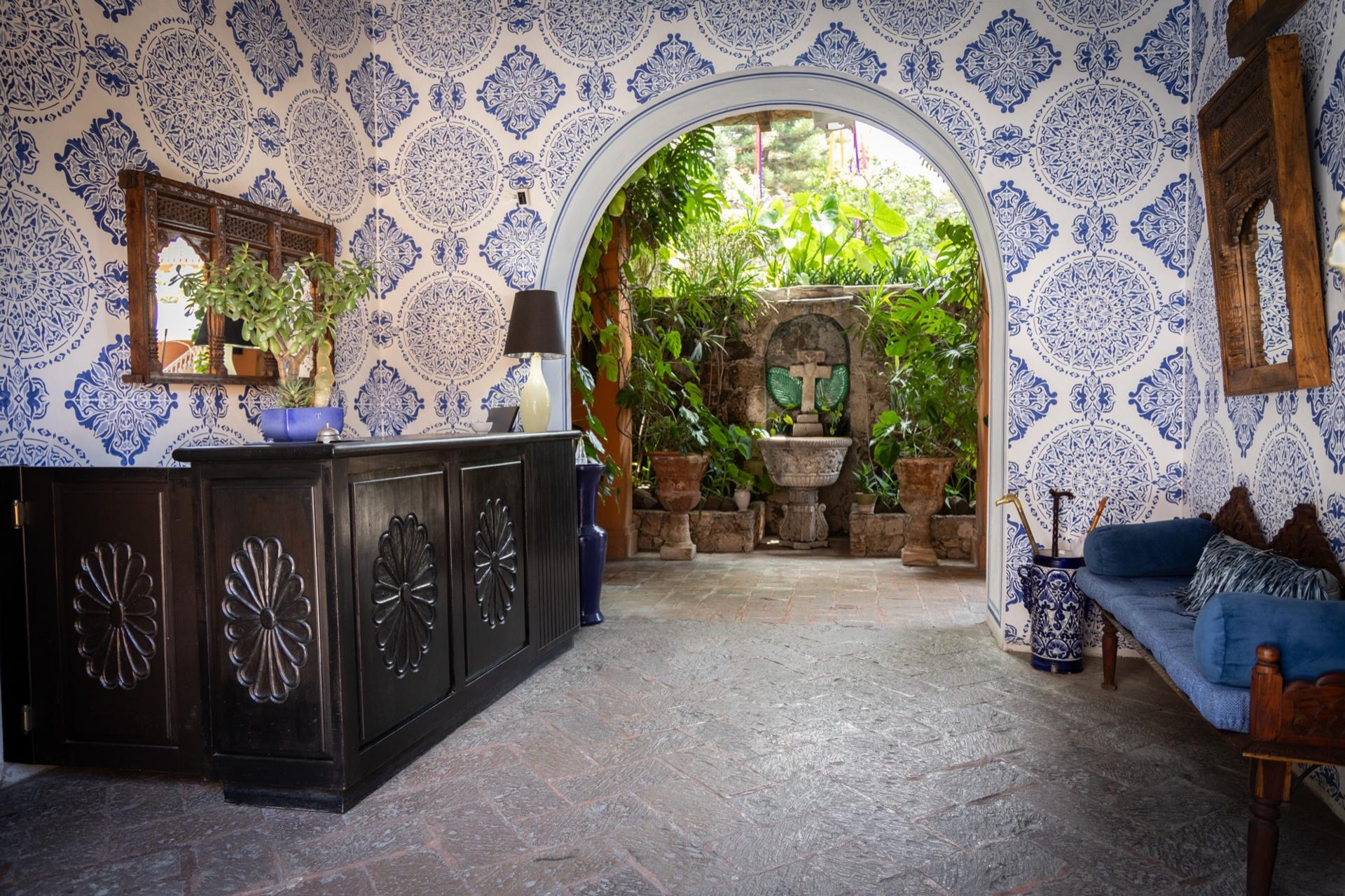
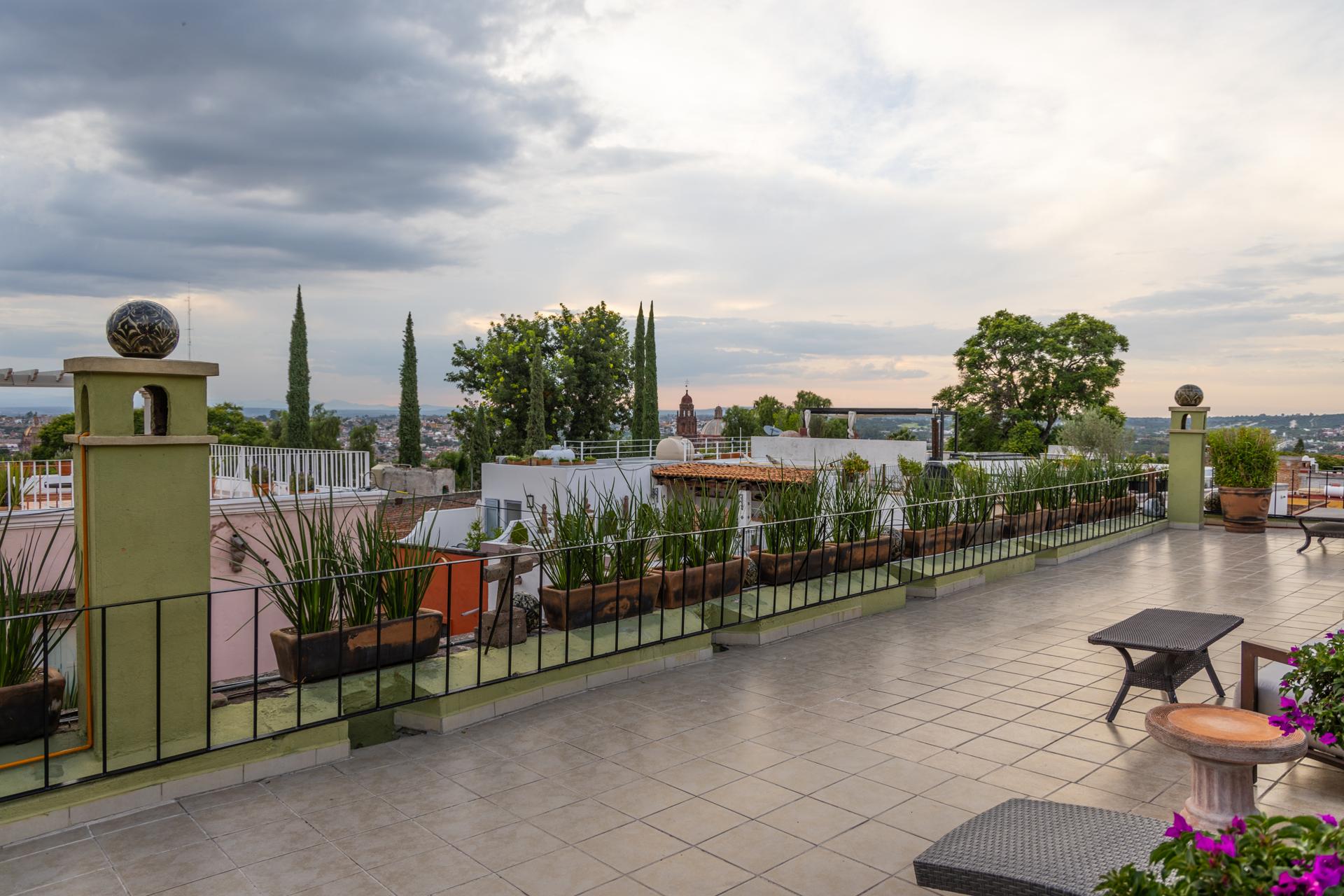
For visitors staying at Casa Schuck during Día de Muertos, the experience is particularly immersive. The hotel creates its own traditional ofrenda in the garden courtyard, inviting guests to participate in the ritual by adding photographs or mementos of their own loved ones. The rooftop terrace offers a unique vantage point for watching the processions move through the streets below, with the Parroquia illuminated against the night sky. The hotel can arrange guided experiences with local families and artisans who share the deeper meanings behind each element of the celebration — from the significance of the four elements on the altar to the symbolism of the monarch butterflies that arrive in Mexico each fall, believed to carry the souls of the departed.
If you're planning to experience Día de Muertos in San Miguel de Allende, a few practical tips will enhance your visit. Book accommodations early — this is the city's most popular festival and hotels fill up months in advance, typically by July or August. Bring a camera but ask permission before photographing private ofrendas or families at the cemetery — most people are happy to share but appreciate the respect of being asked. Dress warmly for evening processions, as temperatures can drop into the 50s°F after sunset at this elevation. Most importantly, approach the celebration with openness and reverence. This is not Halloween — it is a sacred tradition that invites you to reflect on your own relationship with memory, loss, and the people who have shaped your life.
Photography during Día de Muertos in San Miguel de Allende is extraordinary, but the best images come from understanding what you're capturing. The golden hour light on marigold-covered altars, the intricate detail of hand-painted Catrina faces, the warm glow of candlelit cemeteries — these are moments that tell a story. Consider hiring a local photography guide who can take you to lesser-known spots and help you understand the cultural context of what you're seeing. The early morning hours of November 2 at the cemetery, before the crowds arrive, offer some of the most powerful photographic opportunities, with mist rising through fields of marigolds and the first light catching hand-carved wooden crosses.
Frequently Asked Questions
When is Día de Muertos celebrated?
Día de Muertos is celebrated on November 1 and 2 each year. November 1 (Día de los Inocentes) honors deceased children, while November 2 (Día de los Difuntos) is dedicated to adults. In San Miguel de Allende, festivities begin in late October with altar installations and Catrina parades.
What happens during Día de Muertos in San Miguel de Allende?
San Miguel de Allende celebrates with community altars in the Jardín Principal, elaborate Catrina parades through the streets, candlelit cemetery vigils, live music, art exhibitions, and special events at hotels and galleries. Casa Schuck creates a traditional ofrenda in the garden courtyard where guests can participate.
Is Día de Muertos a good time to visit San Miguel de Allende?
Día de Muertos is one of the best times to visit San Miguel de Allende. The weather is perfect (warm days, cool nights), the city is at its most culturally vibrant, and the celebrations offer a deeply moving experience. Book accommodations well in advance as this is the busiest period of the year.
What should I wear to Día de Muertos celebrations?
Dress in layers for Día de Muertos in San Miguel de Allende — days are warm but evenings can drop into the 50s°F. Comfortable walking shoes are essential for cobblestone streets. Many visitors enjoy dressing up with face paint or Catrina-inspired outfits, which is welcomed and celebrated by locals.